Udawalawe National Park
Safari in Udawalawe National Park
Udawalawe National Park comes highly recommended by many, as it is home to elephants and many other animal species. There is even talk of leopards, although only a lucky few are likely to spot them.
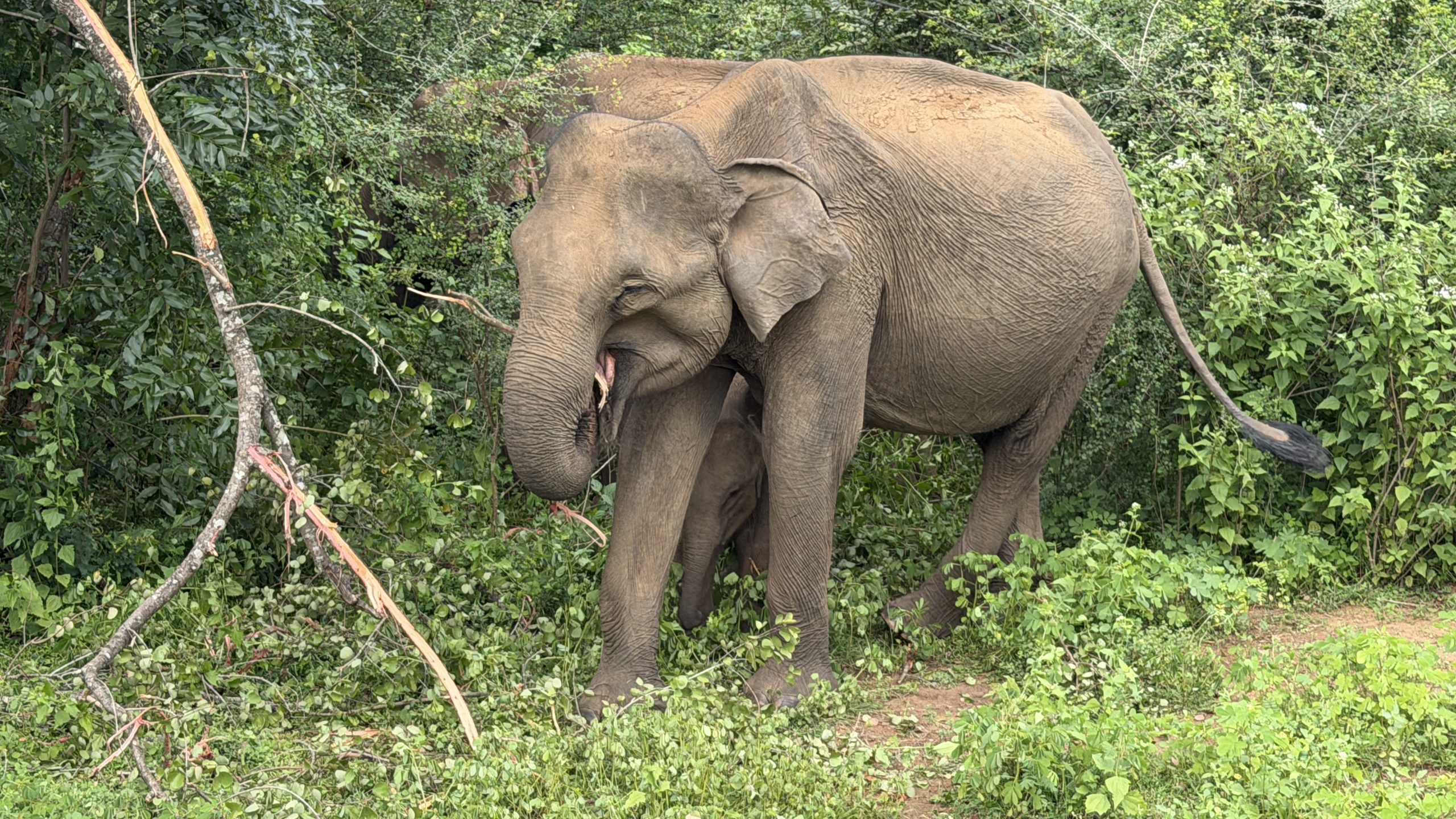
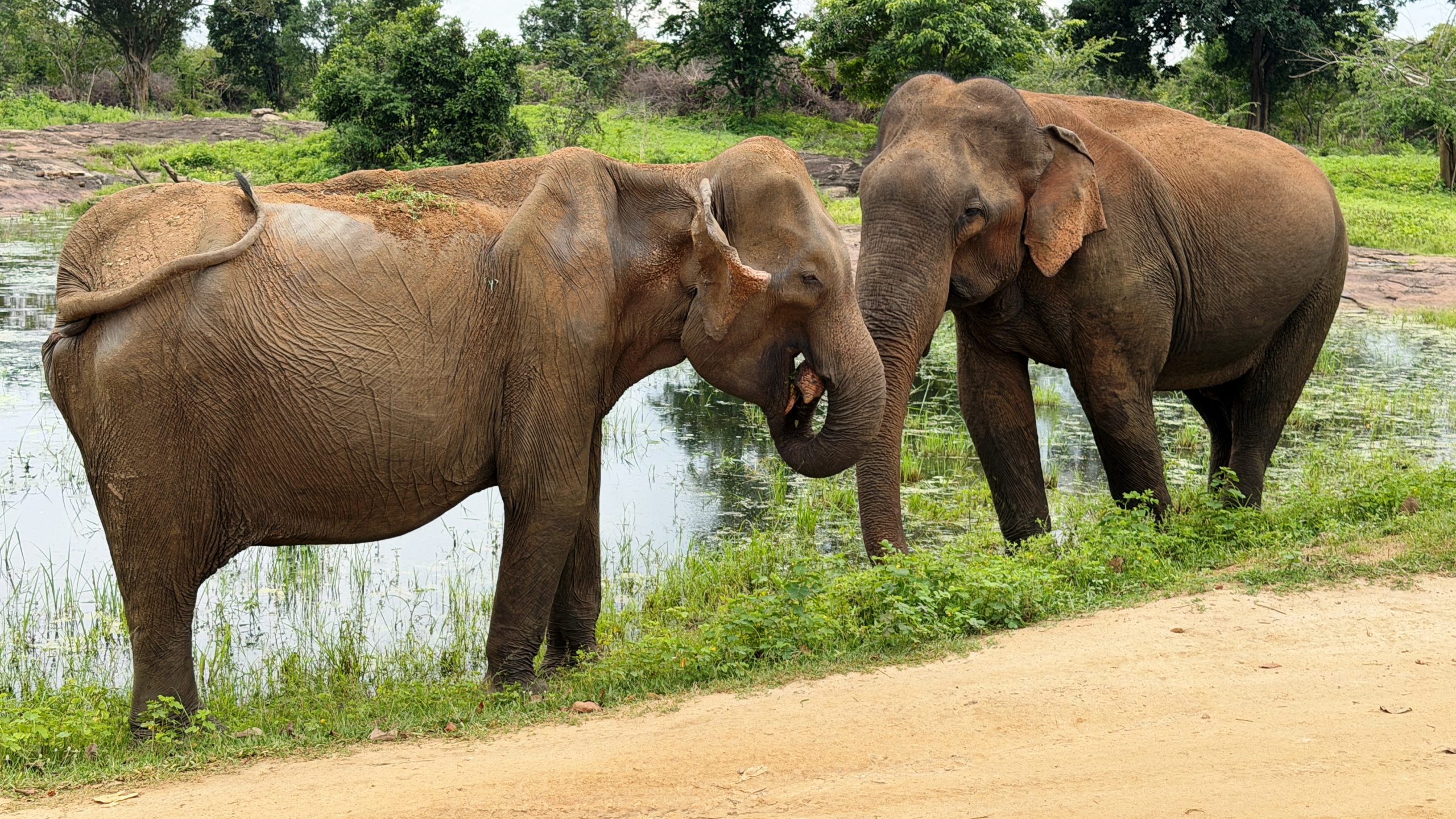
What you are guaranteed to see are elephants. The Sri Lankan elephant (Elephas maximus maximus) is native to Sri Lanka and one of three recognised subspecies of the Asian elephant. This huge and graceful animal is one of the main reasons for visiting Udawalawe National Park – more than 400 elephants live here!

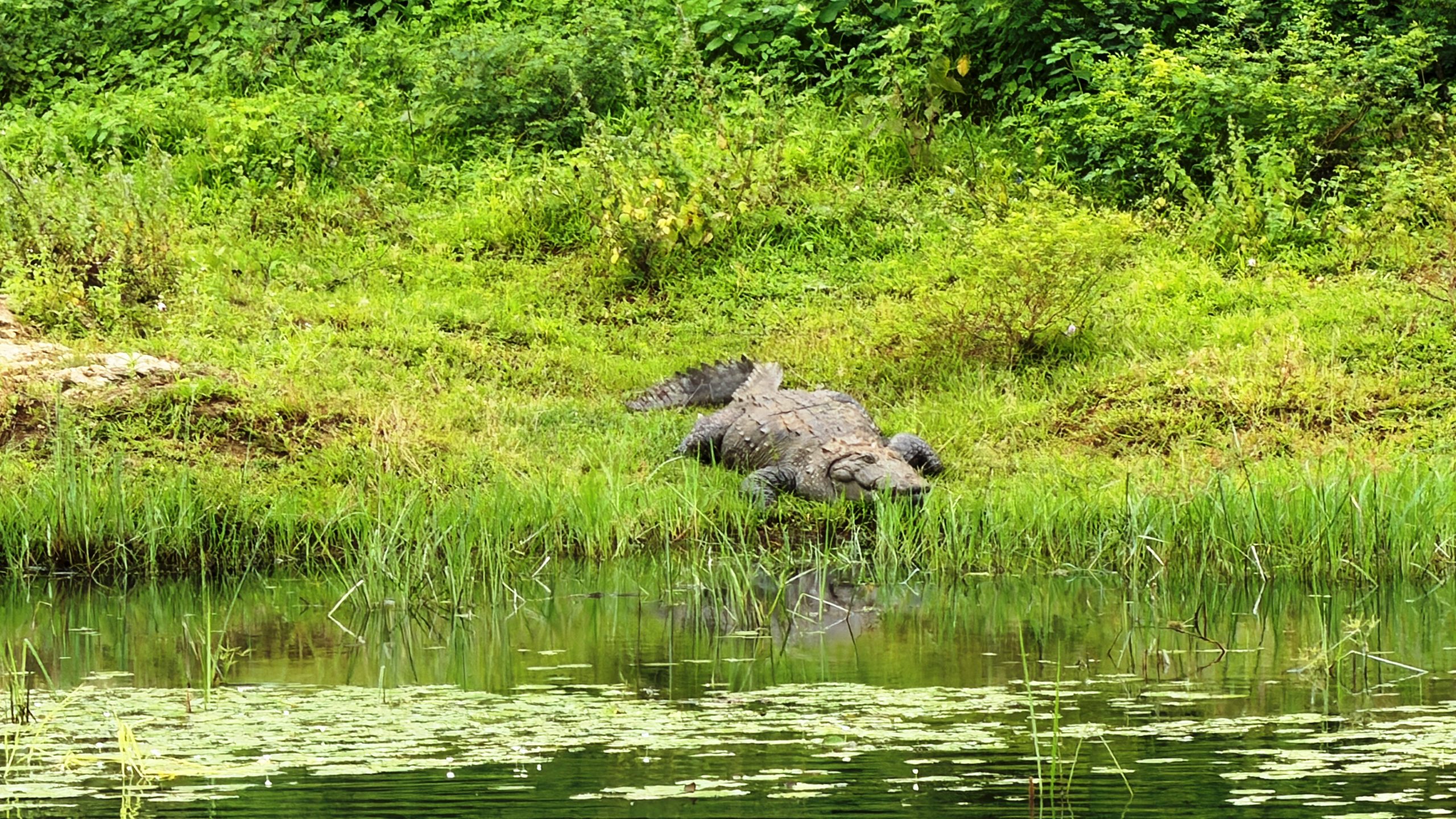
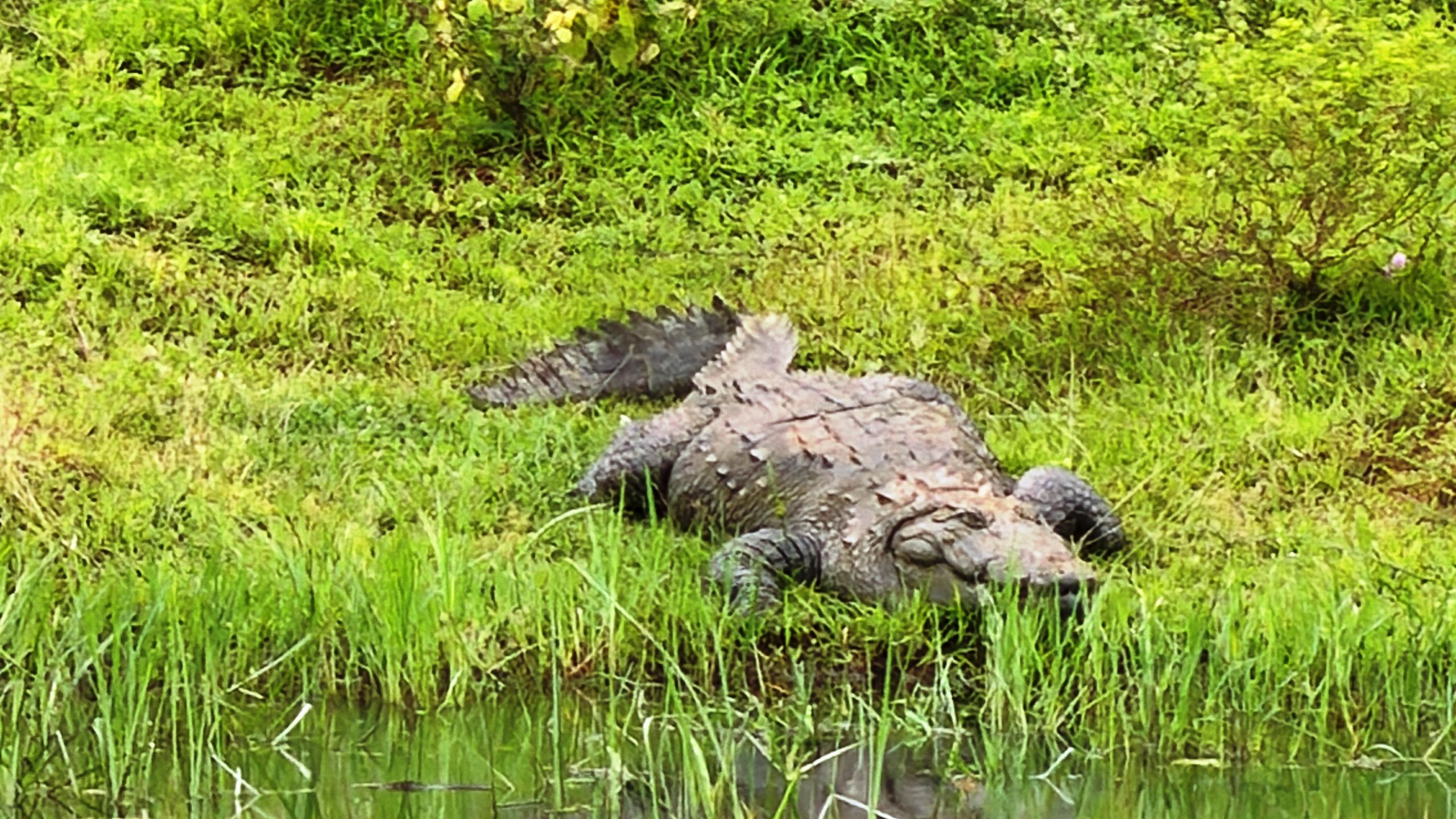
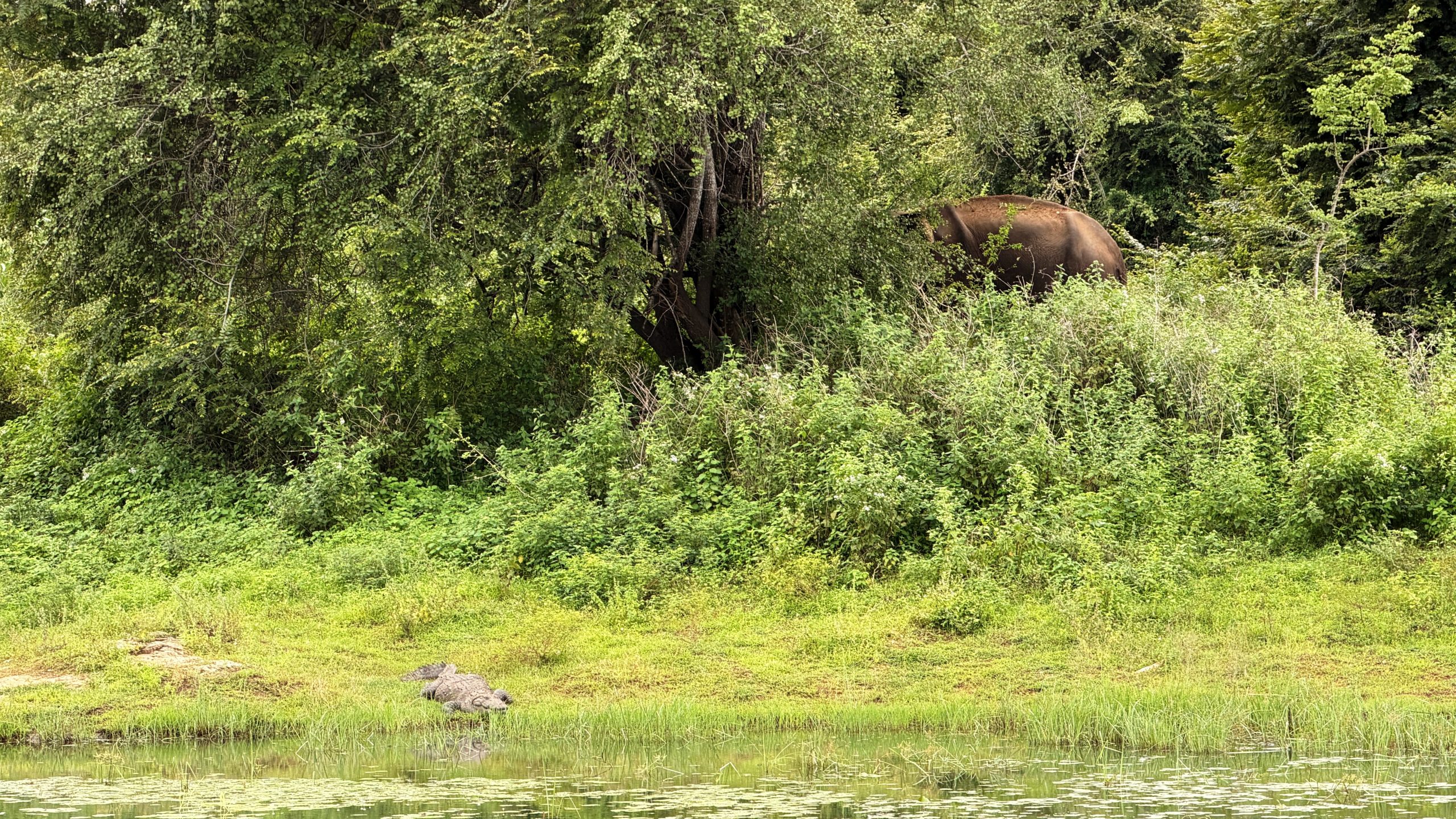
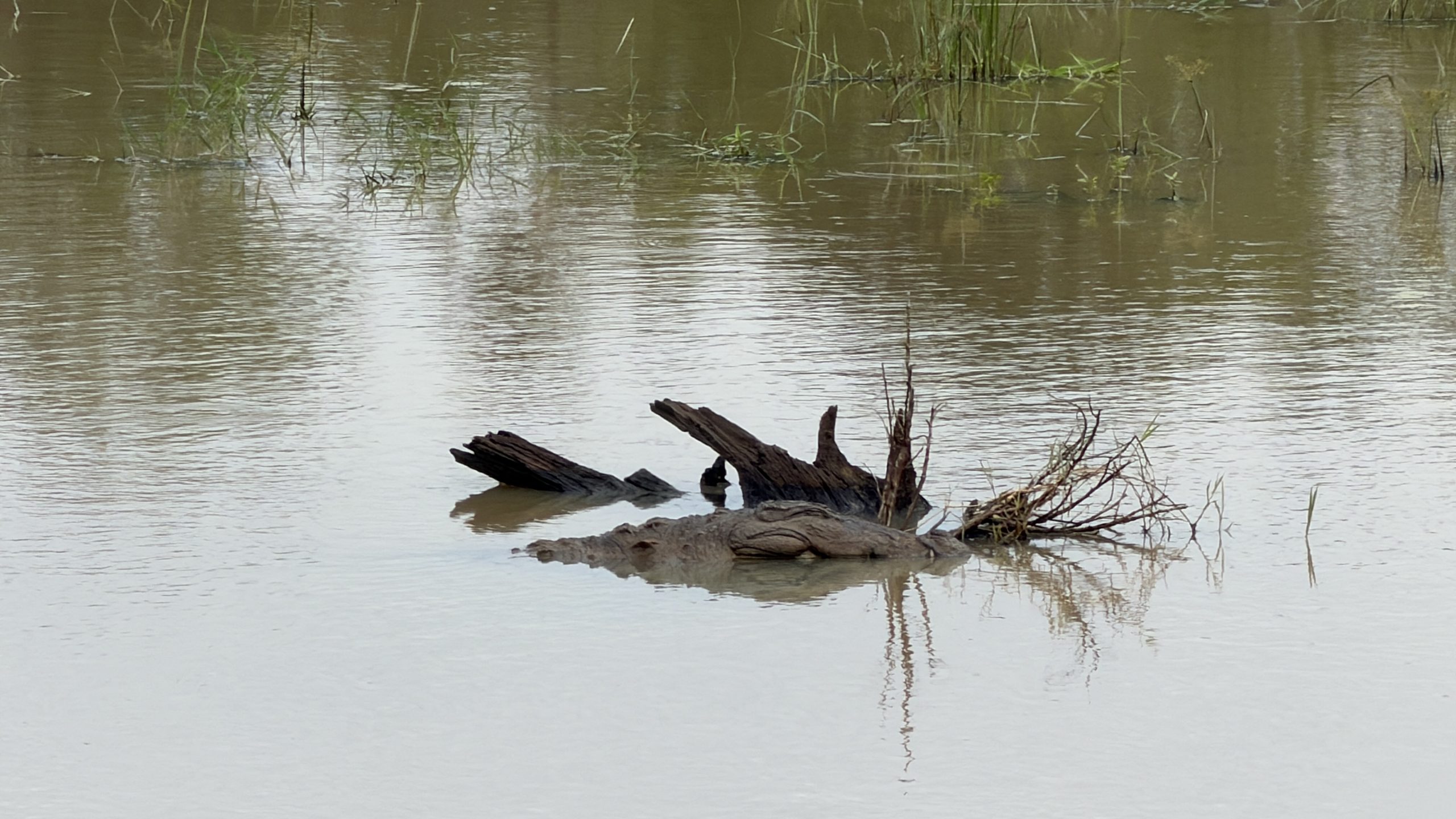
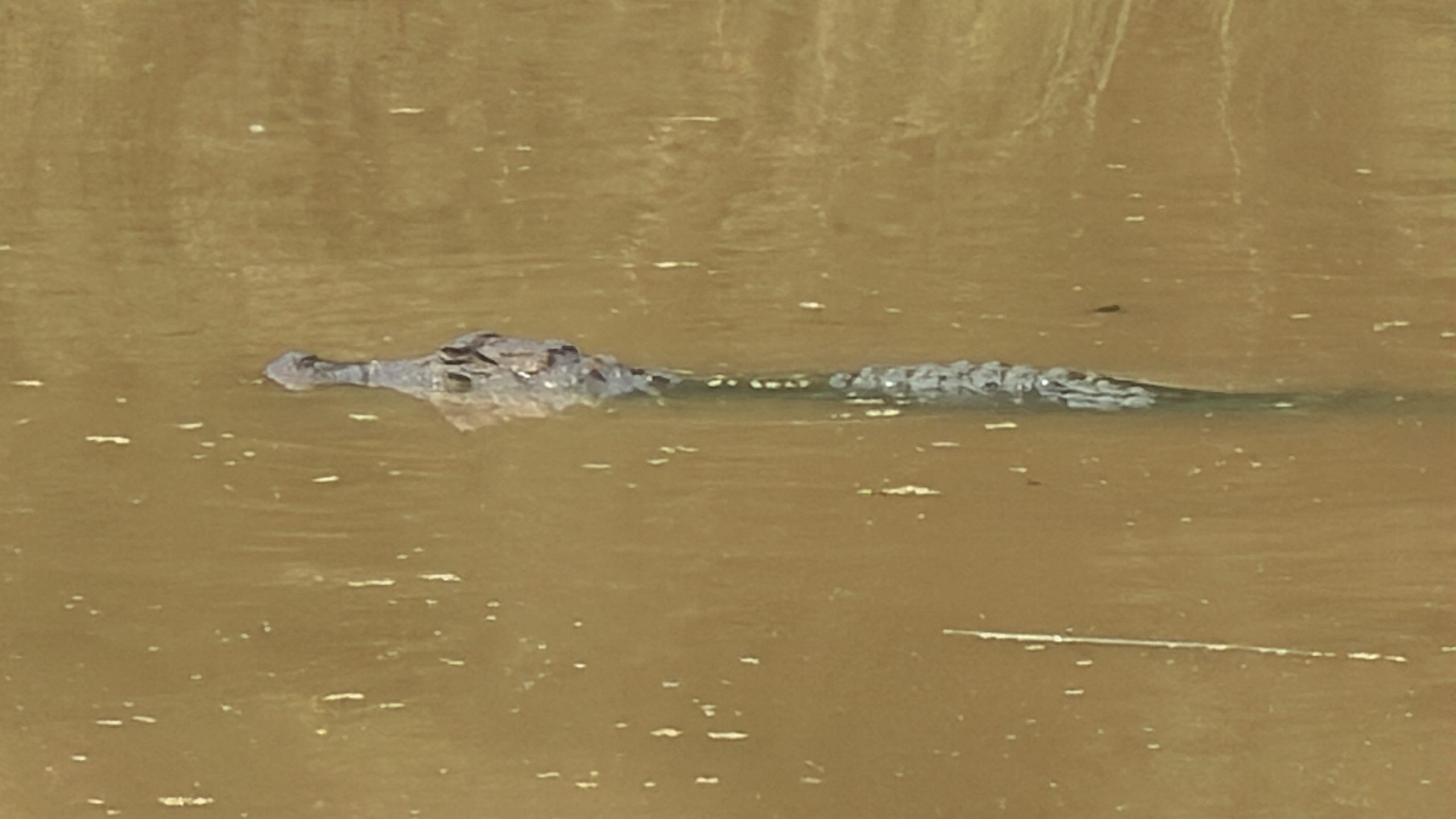
The marsh crocodile (Crocodylus palustris), also known as the mugger crocodile, is one of the largest predators on the island and can be observed in the wild in Udawalawe. With a bit of luck, which we unfortunately don’t have, such a monster might even move. Otherwise, the creatures lie motionless and unimpressed by the jeeps in the water or on land, just chilling.
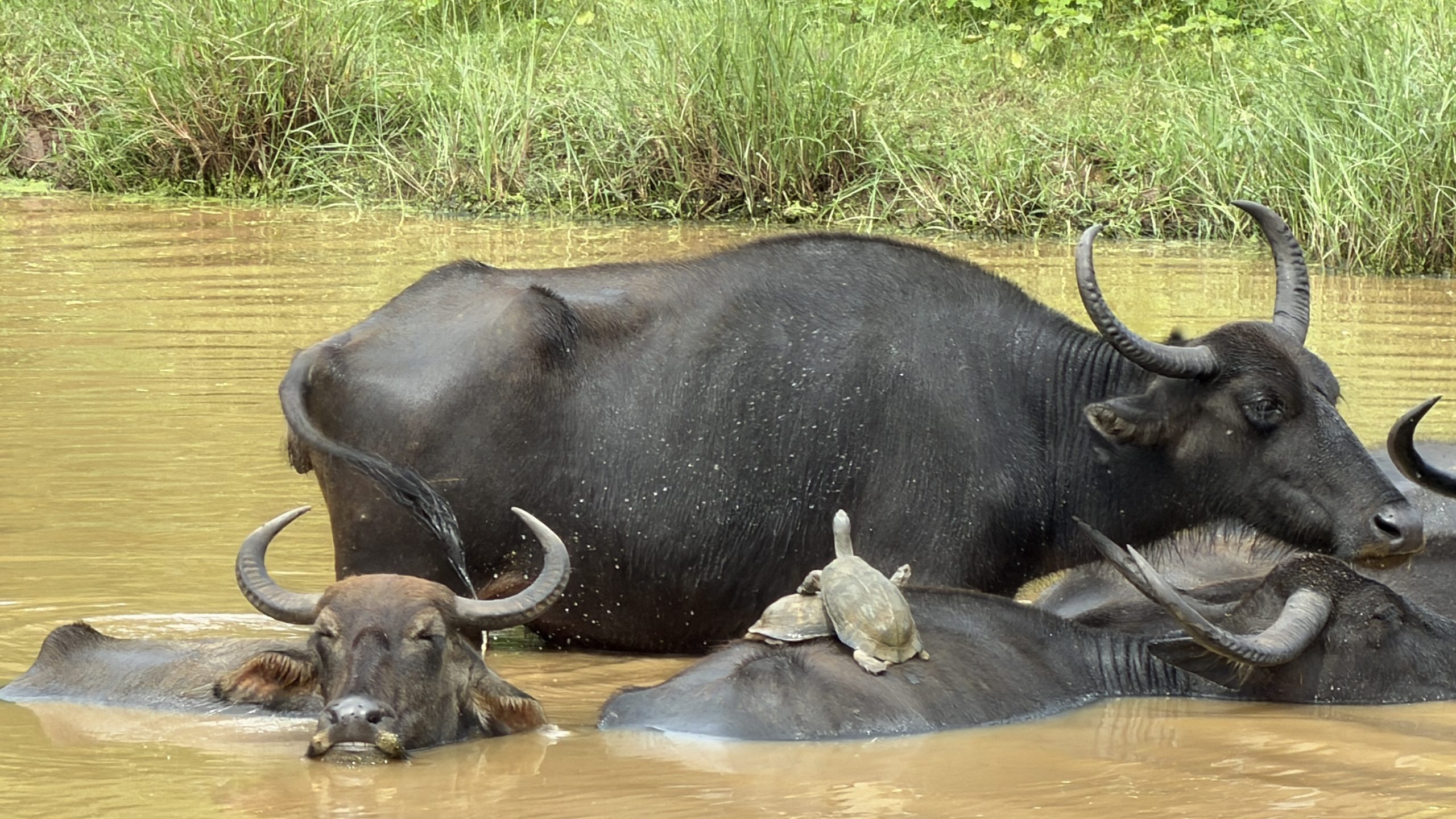
The water buffalo (Bubalus bubalis), also known as the domestic water buffalo or Asian water buffalo. Water buffaloes spend most of their day in the muddy waters of the tropical and subtropical forests of Asia. Their widely spaced hooves prevent them from sinking too deep into the mud. We can observe a herd in the water. They stand there so still for so long that two turtles have made themselves comfortable on the back of one of the animals.
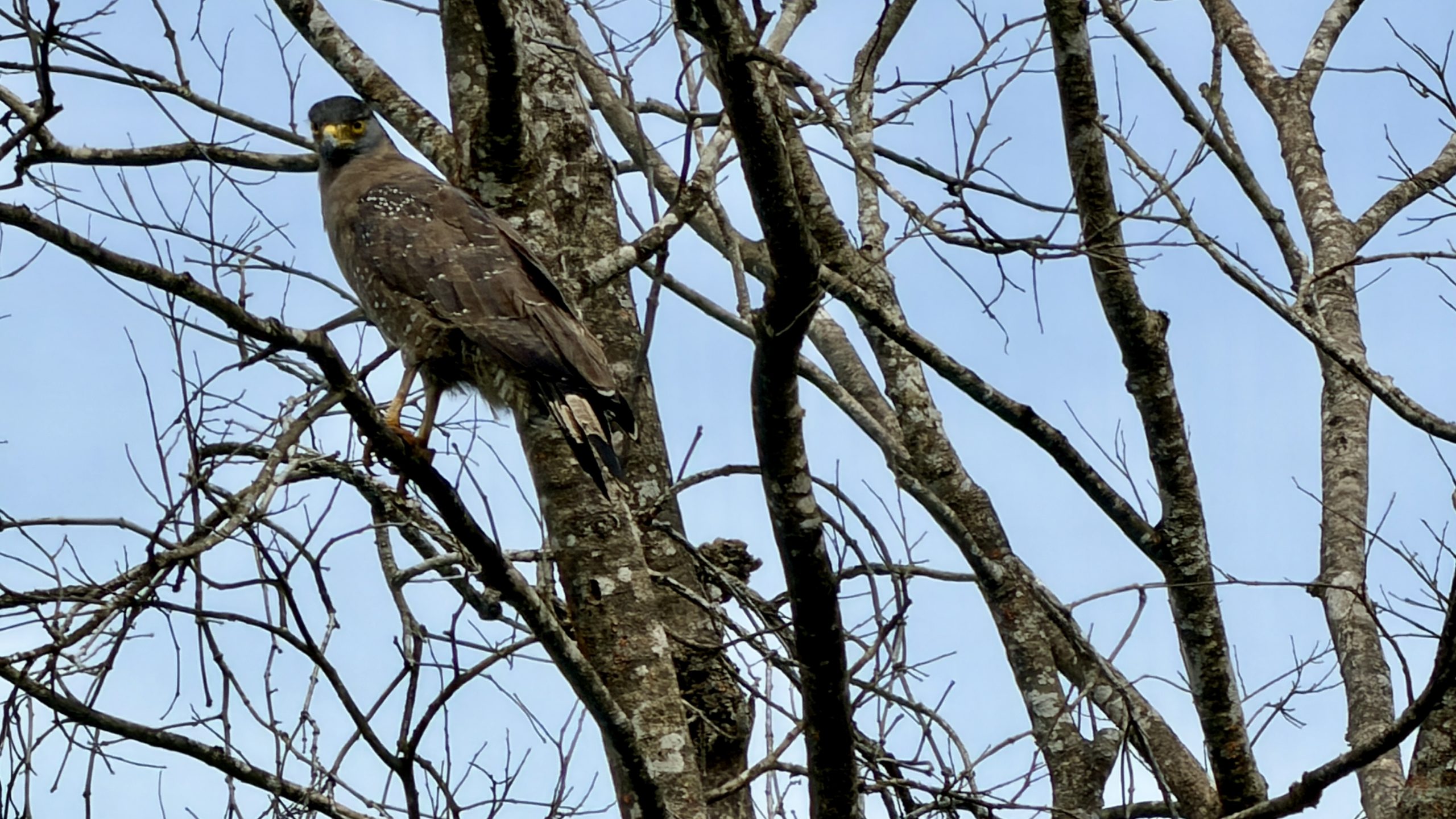
An animal completely unknown to us until now is the crested serpent eagle (Nisaetus cirrhatus) or hooded eagle. It is a large and magnificent bird of prey with a powerful beak. It has a brown upper body and a light-coloured lower body, with stripes on the underside of its flight feathers and tail.

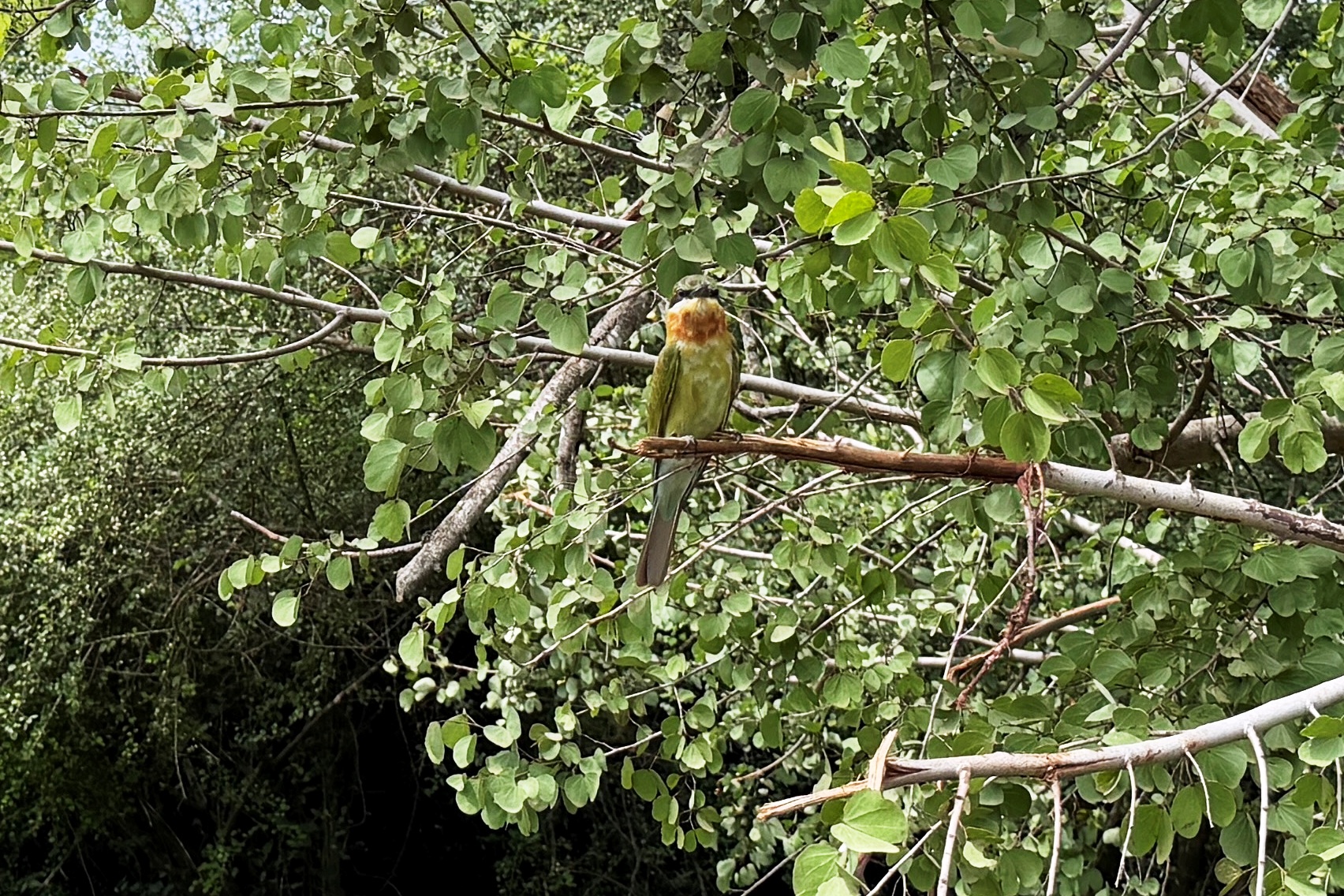
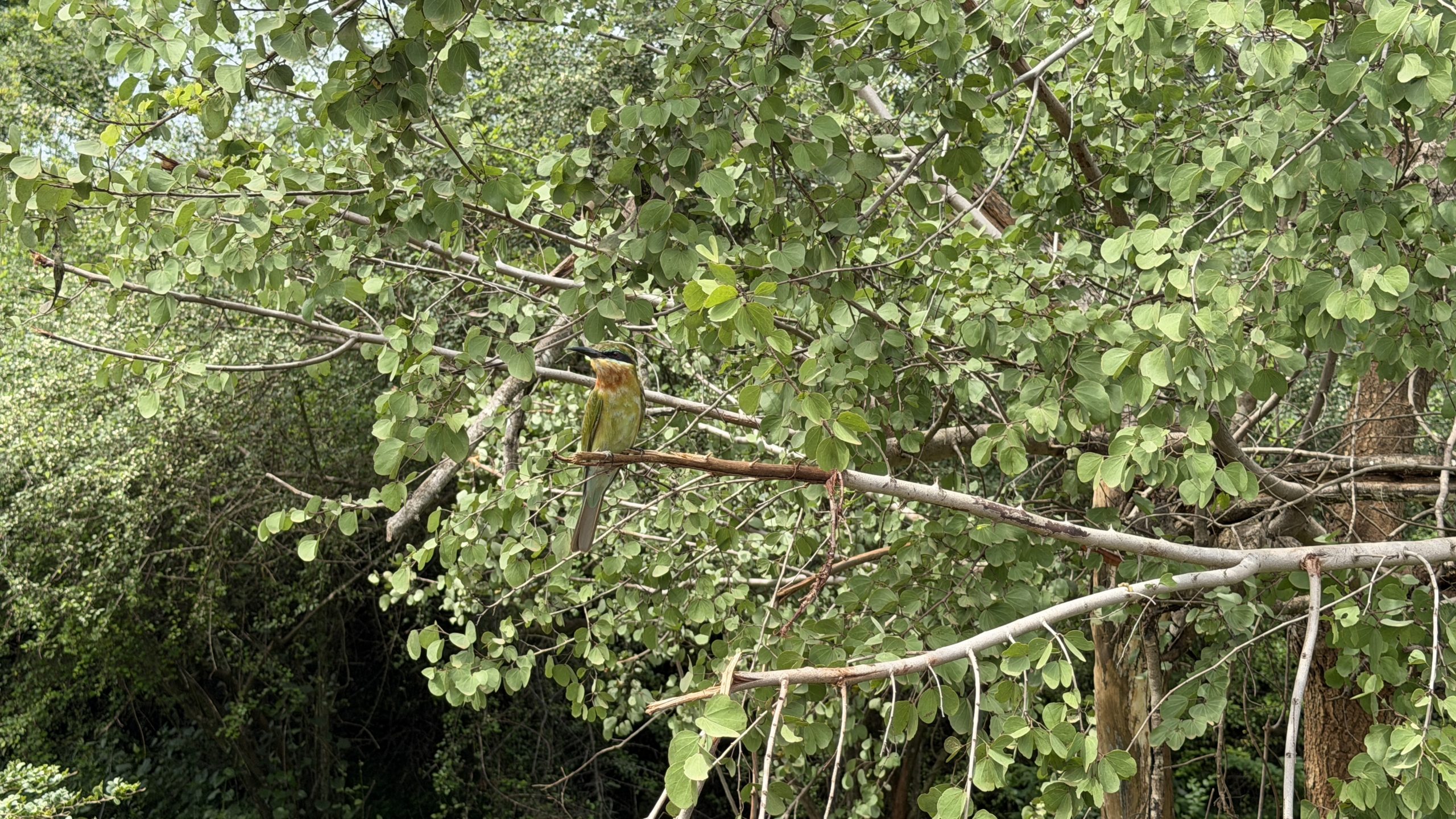
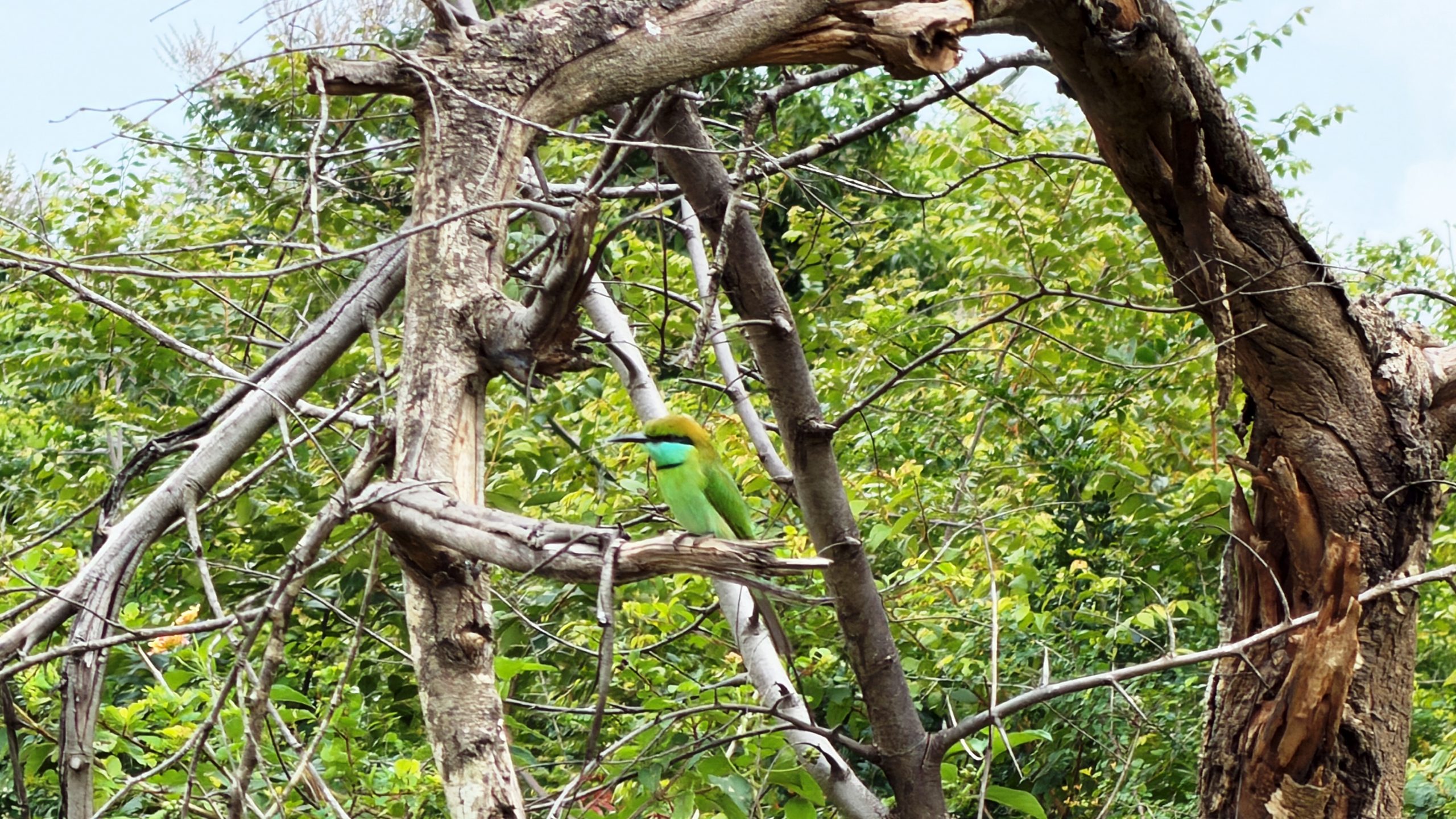
Bee-eaters (Merops) are small, colourful, sociable and conspicuous birds. When it comes to securing their meal, they are as fast and wild as a rocket. Unfortunately, this makes it almost impossible for me to capture one of these little birds on camera.
At many points during our safari, we see the Indian peacock (Pavo cristatus), also known as the common peacock and blue peacock, a species of peacock native to the Indian subcontinent. Unfortunately, however, the males we spot are too lazy to put on a beautiful display for us!
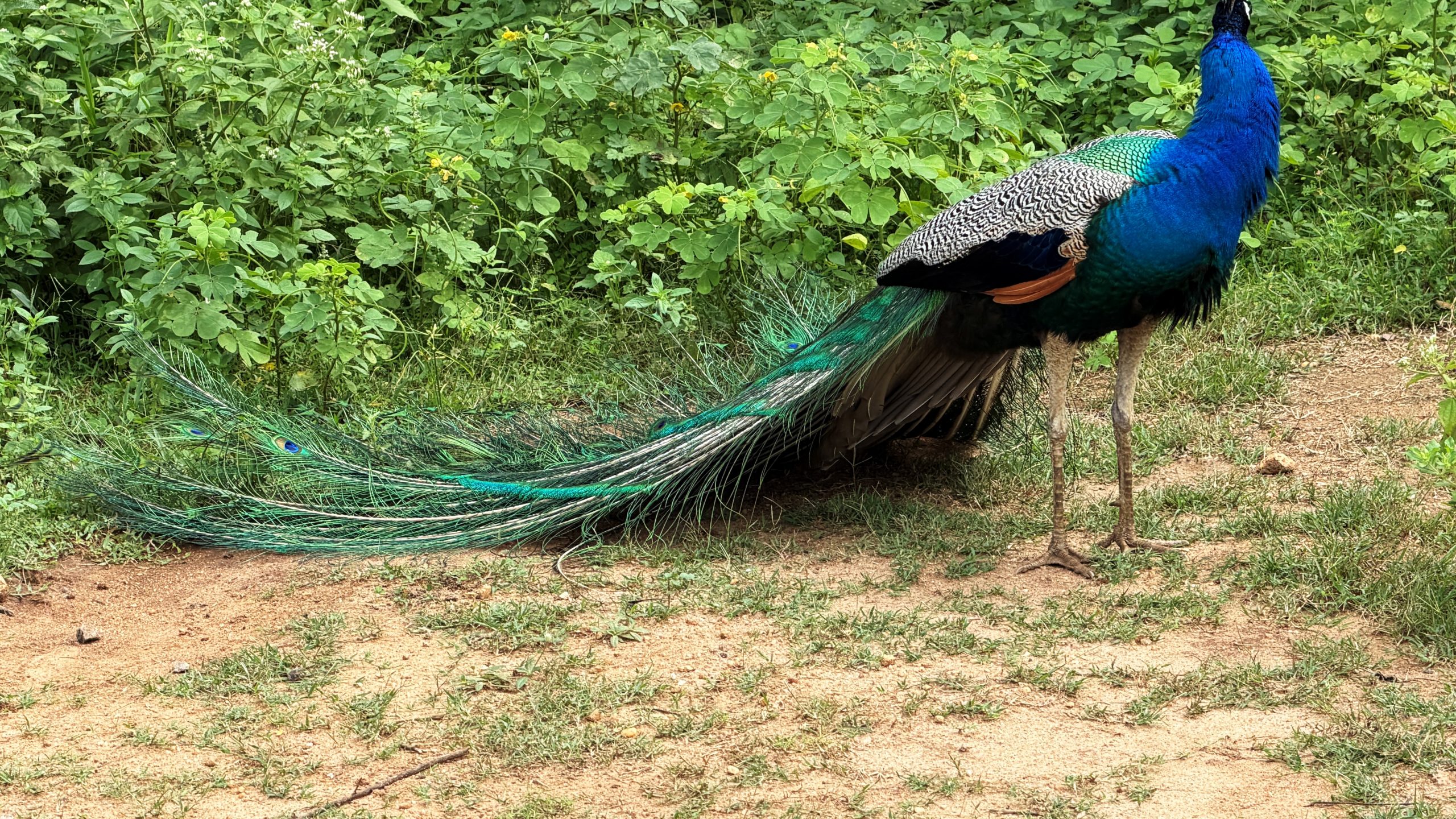
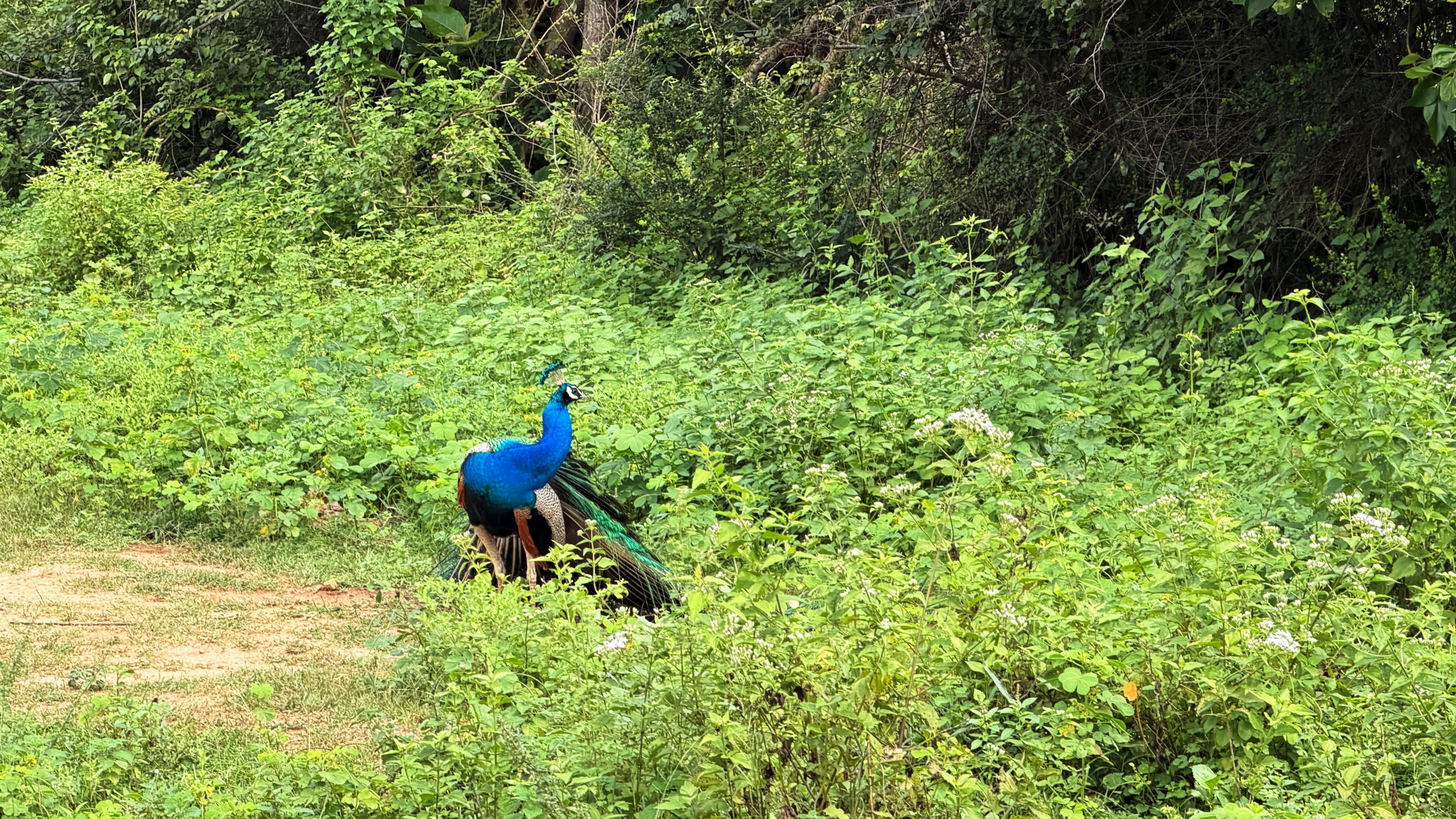
However, we are just as unlikely to see the Sri Lankan leopard as we are the jungle cat, both of which are naturally very shy animals. Monkeys, on the other hand, can be observed in large herds: the toque macaque (Macaca sinica) is a reddish-brown Old World monkey endemic to Sri Lanka, where it is known as the rilewa or rilawa. It is widespread on the island and can be observed in cities, villages and popular tourist resorts. We also see it in the wild in Udawalawe National Park.
The Sri Lankan jackal (Canis aureus naria), also known as the South Indian jackal, is a subspecies of the golden jackal native to southern India and Sri Lanka. We are observing a group of female elephants with a baby when two jackals jump past our jeep, looking rather shy and excited, before disappearing back into the jungle.
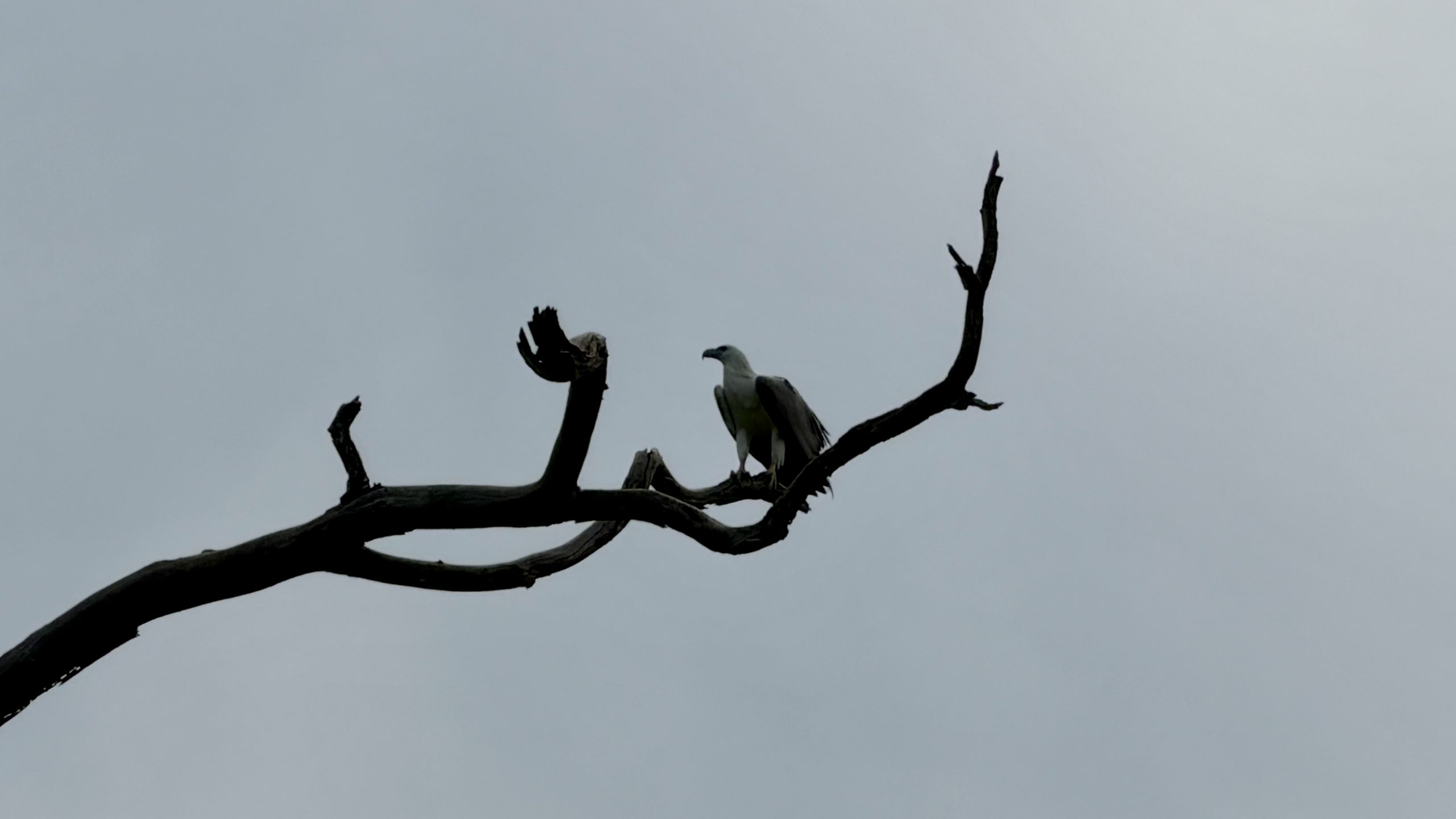
On a very tall but completely bare tree, a pair of sea eagles settle down before our eyes, as if they were being paid for arriving on time! This pair are white-bellied sea eagles (Haliaeetus leucogaster), also known as white-breasted sea eagles. There are many species of eagle, but the white-bellied sea eagle has a white head, white rump and white underside, as well as a dark or slate-grey back and dark wings. In flight, the black flight feathers on the wings are clearly visible when viewed from below. A mighty creature.
Of course, it would be going too far to list all the animals we see here, or those that don’t show themselves at all. But in the end, the tour organised by our excellent guide Dilan proves to be exceptionally interesting, mainly because the driver of the jeep is extremely careful and relaxed and has a wealth of knowledge about the animals themselves and their resting places.
Sometimes you feel really blind when he suddenly stops again and points to an animal that you should have seen yourself! You also need a trained eye, especially when you think there are a few leaves or tufts of grass floating on the water and he then explains to you that they are actually the eyes or nostrils of a crocodile!
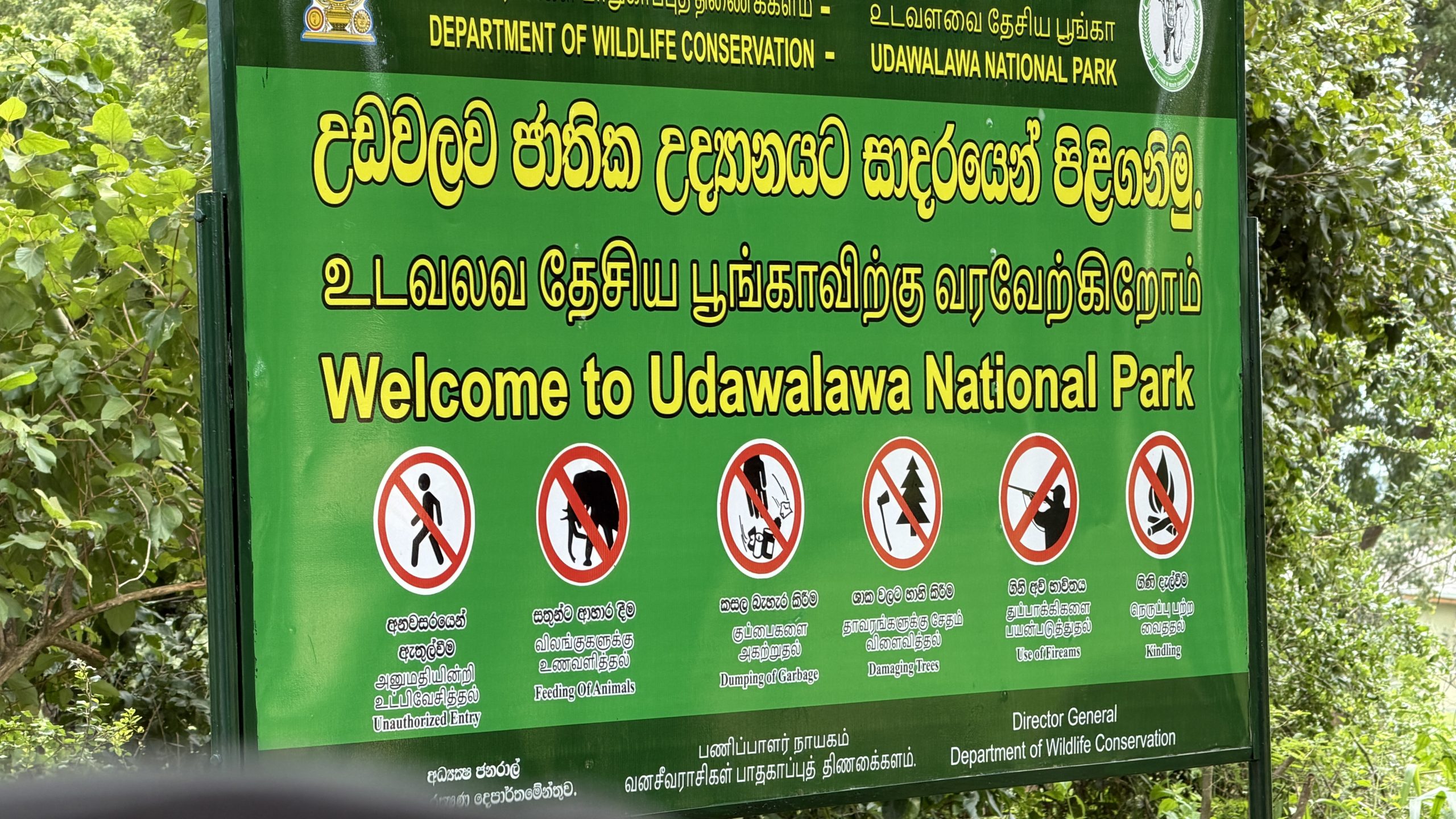
Incidentally, Udawalawe National Park was established to provide a refuge for wildlife displaced by the construction of the Udawalawe Reservoir on the Walawe River and to protect the reservoir’s catchment area. The protected area covers an area of 30,821 hectares (119.00 square miles) and was established on 30 June 1972. It is managed by the Department of Wildlife Conservation.